Muscle tension
Many people choose cupping as a complementary approach when muscles feel tight or tense.
Sunnah Hijamah · Wet & Dry Cupping
Discover a traditional wellness practice rooted in centuries of history, delivered in a comfortable and professional environment.

إِنَّ أَمْثَلَ مَا تَدَاوَيْتُمْ بِهِ الْحِجَامَةُ
“Indeed, the best of what you treat yourselves with is cupping (al-hijamah).”
About Hijamah
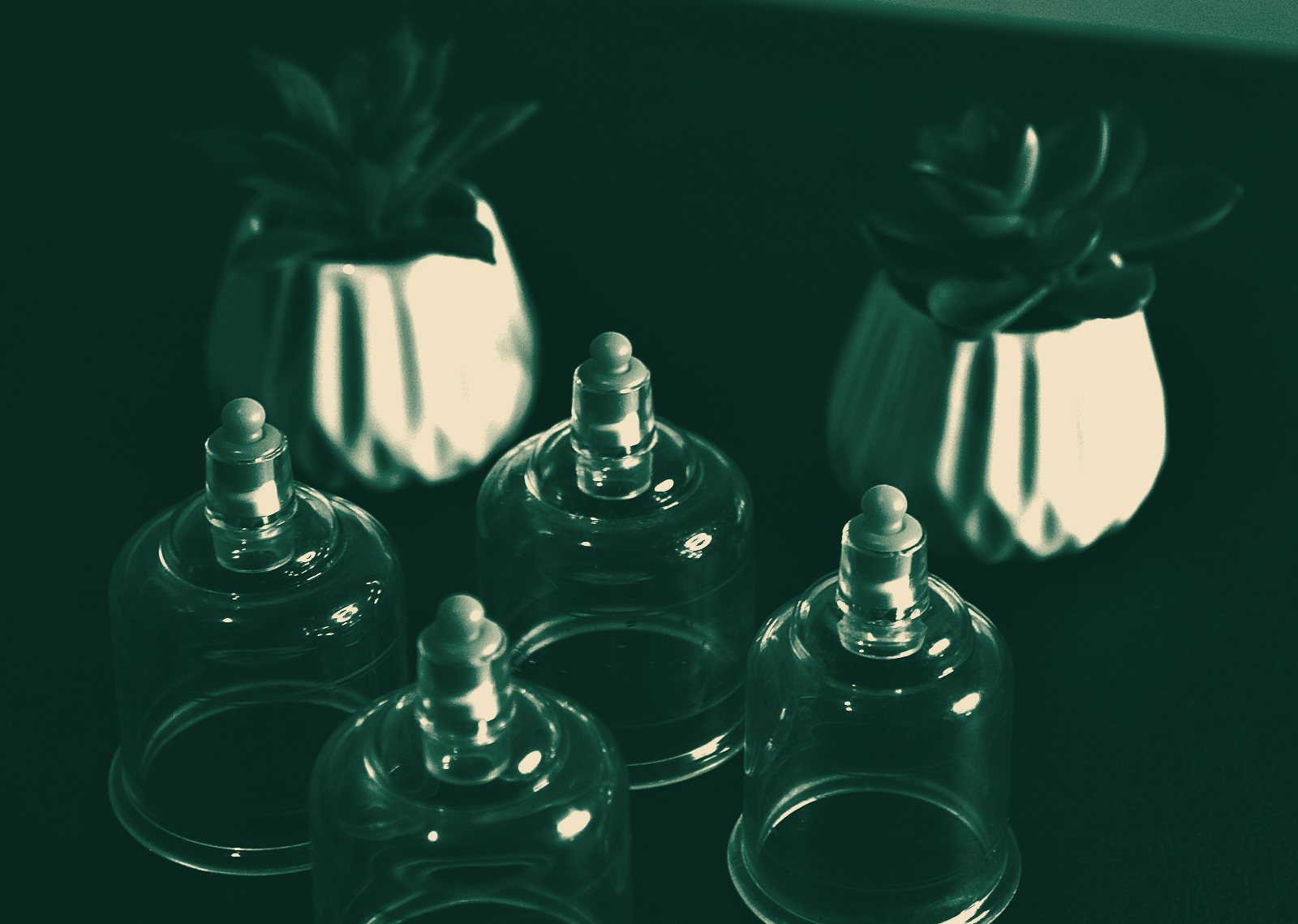
Hijamah, commonly known as wet cupping, is a traditional therapy practised across different cultures for centuries. It also holds a special place in Islamic tradition as a practice mentioned in the Sunnah of Prophet Muhammad ﷺ.
Our aim is to provide a welcoming, respectful and comfortable environment for individuals interested in experiencing this traditional therapy — whatever your faith or background.
Reasons people visit
People come to us for different reasons — physical, personal and spiritual. Here are some of the most common.
Many people choose cupping as a complementary approach when muscles feel tight or tense.
Back, shoulder and neck discomfort are among the most common reasons people seek cupping.
A calm, unhurried session in a quiet, private room is valued by many as time to rest.
Cupping has been practised across many cultures for centuries as part of traditional wellness.
For many Muslims, Hijamah is a way of following a practice of the Sunnah.
Our practitioners
Every customer is treated by a practitioner of the same gender, in a private room, so you can feel completely at ease.
Professional treatment sessions for male customers, delivered by our male practitioner.
Book Male Practitioner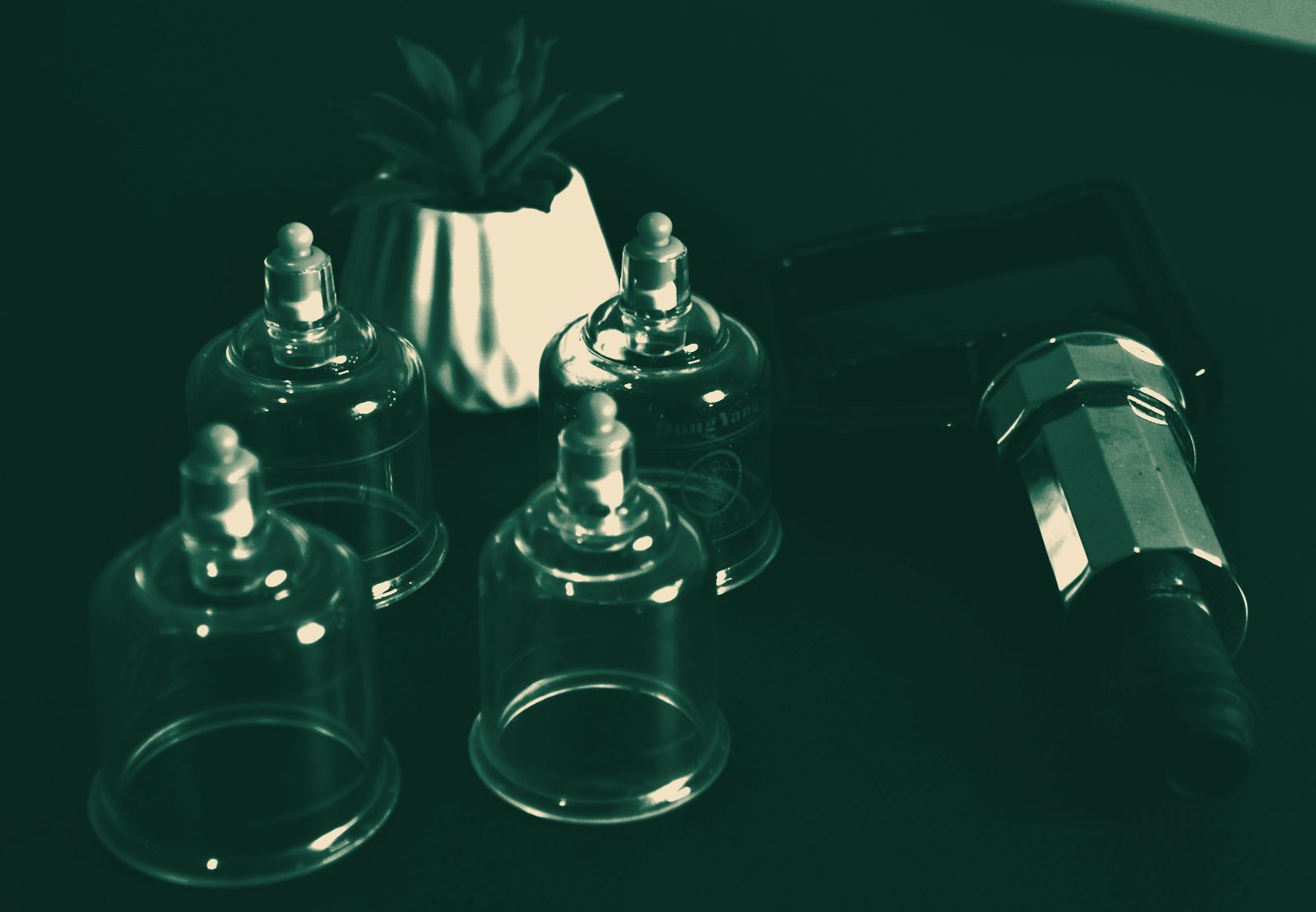
Private and comfortable treatment sessions for female customers, delivered by our female practitioner.
Book Female PractitionerIslamic heritage
Hijamah is reported in authentic hadith collections. The Prophet Muhammad ﷺ is recorded as having been cupped himself and as describing cupping as among the best of remedies.
Narrations also mention the 17th, 19th and 21st days of the Islamic lunar month as preferred days for Hijamah. Many people choose these days, though scholars have also permitted Hijamah on other days when there is a need.
17th
Sunnah day
19th
Sunnah day
21th
Sunnah day
of the Islamic (Hijri) month · highlighted ⭐ in our booking calendar
References
References are given for further reading. Please consult a qualified scholar for religious guidance.
Simple booking
Male practitioner for men, female practitioner for women.
Pick a treatment, date and time on a scheduled Hijamah day.
We review your request and confirm your appointment.
A private consultation, your session and clear aftercare advice.
Customer experiences
Genuine customer reviews will appear here once they have been received.
A genuine customer review will be displayed here. Reviews are never written or edited by us.
A genuine customer review will be displayed here. Reviews are never written or edited by us.
A genuine customer review will be displayed here. Reviews are never written or edited by us.
Choose your preferred appointment and experience a traditional therapy in a professional and welcoming setting.
Book Your Appointment