What is Hijamah?
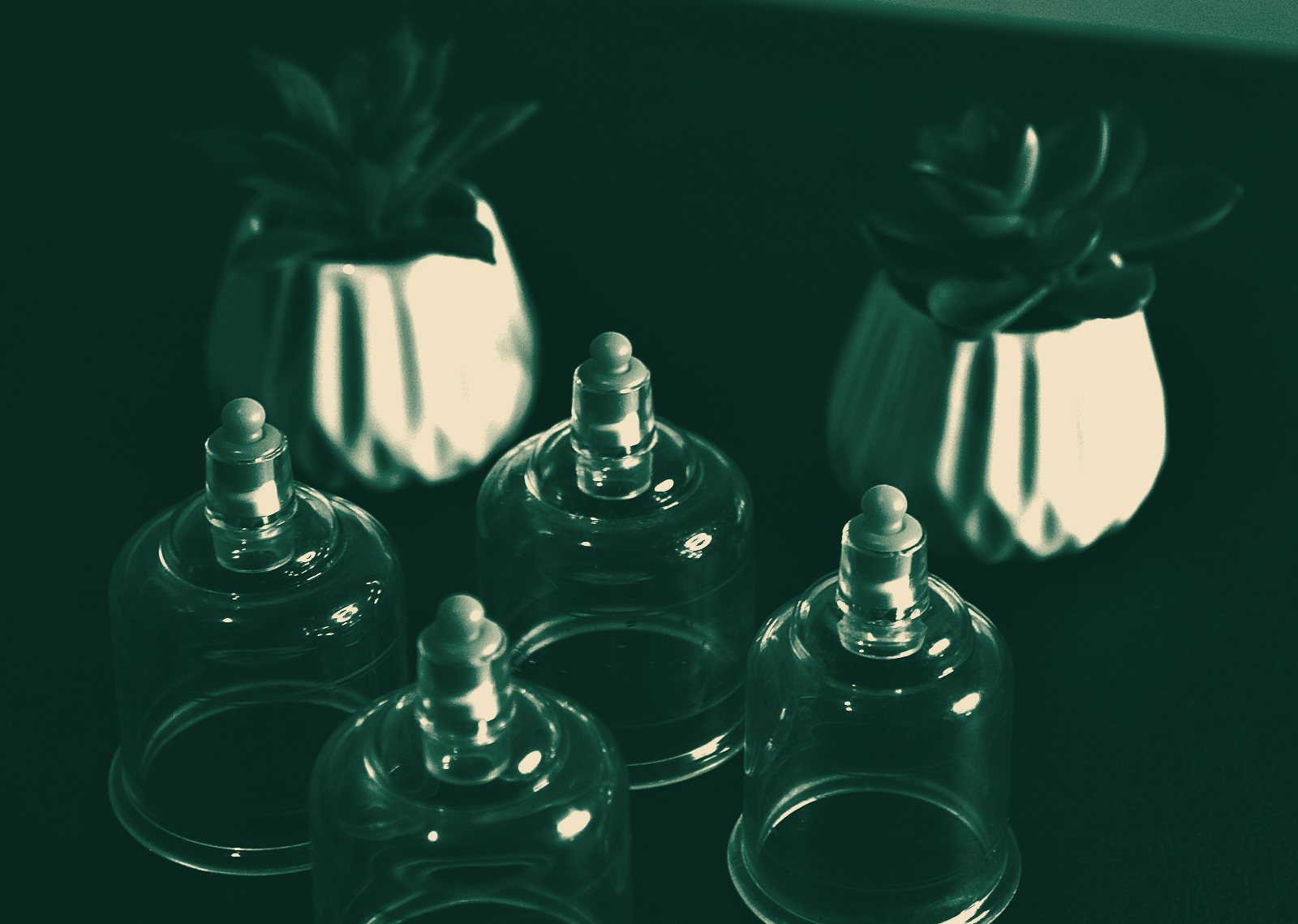
Hijamah (حجامة) is the Arabic name for wet cupping. Cups are placed on the skin to create gentle suction; the cup is then removed, the practitioner makes a number of very small, superficial skin incisions, and the cup is reapplied so that a small amount of blood is drawn into it. The area is then cleaned and dressed.
The word comes from the Arabic root meaning “to reduce” or “to draw”.
Wet cupping and dry cupping
- Dry cupping uses suction only. No incisions are made. Cups may stay in place or be moved over the skin.
- Wet cupping (Hijamah) combines suction with small superficial incisions, as described above.
Both commonly leave circular marks that usually fade over several days.
A brief history
Cupping is one of the oldest recorded therapies. Forms of cupping appear in ancient Egyptian, Greek, Chinese and Middle Eastern traditions, and it continued to be practised in Europe into the nineteenth century. Today it is used around the world as a traditional and complementary therapy.
Hijamah in Islamic tradition
Hijamah has a special place for many Muslims because it is mentioned in the Sunnah of Prophet Muhammad ﷺ. Hadith collections record that the Prophet ﷺ was cupped and paid the person who cupped him, and that he described cupping as among the best of remedies (see Sahih al-Bukhari 5696 and Sahih Muslim 1577).
A narration in Sunan Abi Dawud (3861) mentions the 17th, 19th and 21st days of the lunar month as preferred days for cupping. Scholars have discussed the authenticity of narrations about specific days, and many have permitted Hijamah on other days when there is a need. We therefore offer appointments on a range of scheduled days each Islamic month, with the Sunnah days highlighted in our booking calendar.
What happens during a treatment?
- Welcome and consultation. Your practitioner talks you through the treatment and asks about your health privately. You will complete a consent form before any treatment.
- Preparation. The skin is cleaned. Sterile, single-use equipment is used for every customer.
- Cupping. Cups are applied to create suction for a few minutes.
- Incisions (wet cupping only). Small, shallow incisions are made and the cups reapplied briefly.
- Cleaning and dressing. The area is cleaned and covered, and you receive aftercare advice.
Most people describe the sensation as a tight pulling feeling. You can ask to pause or stop at any time.
Preparation and aftercare
Before your appointment
- Tell your practitioner — privately, before treatment — about any medical conditions, medications (especially blood thinners) or pregnancy.
- Eat a light meal a few hours beforehand and stay hydrated, unless your practitioner advises otherwise.
- Wear comfortable, loose-fitting clothing.
After your appointment
- Keep the treated area clean and covered as advised.
- Rest, drink water and avoid strenuous exercise for the rest of the day.
- Contact us, or seek medical advice, if you notice signs of infection such as increasing redness, heat, swelling, pus or fever.
Possible risks and who should not have Hijamah
Like any procedure that breaks the skin, wet cupping carries some risks. These can include:
- Bruising and circular marks, which usually fade within days to a couple of weeks
- Skin irritation, discomfort or itching
- Bleeding, and in rare cases infection or scarring
- Light-headedness or fainting, particularly if you are dehydrated or have not eaten
- Rarely, other complications such as burns (with fire cupping) or skin reactions
Hijamah may not be suitable, or may need to be postponed, if you:
- Are pregnant, or have a bleeding disorder or take anticoagulant medicines
- Have anaemia, a heart condition, a pacemaker, diabetes or a weakened immune system
- Have broken, sunburnt or infected skin in the treatment area, or are unwell with a fever
- Are under 18 (we may require parental consent or decline treatment)
This is not a complete list. Your practitioner will discuss your health with you in private and may decline or postpone treatment for your safety. Hijamah is not a substitute for conventional medical care — please keep taking prescribed medication and speak to your GP about any medical concerns.
Ready to book? Choose your appointment or read our frequently asked questions.